The Formal Trouser Style Guide
A working manual for the well-dressed leg.
Thirteen short chapters on choosing, wearing and caring for men's formal trousers, with examples you can use tomorrow morning. Treat it as a set of good habits, not a rulebook.
01
Understanding trouser fits
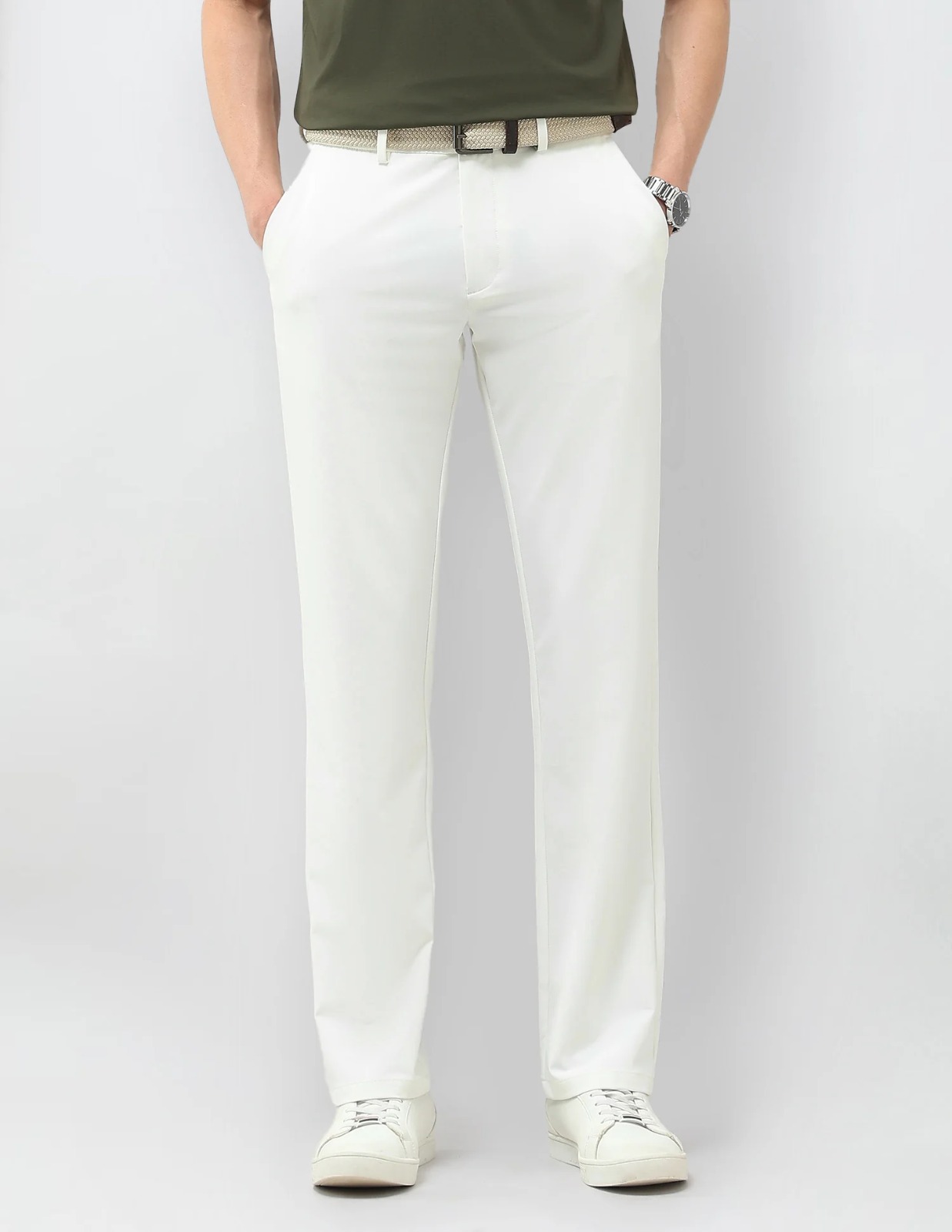
Fit names describe a shape: slim follows the leg closely, regular gives balanced room, straight keeps an even width below the knee, tapered narrows toward the ankle and relaxed allows drape. But labels vary between makers, so treat them as a starting point and judge with your eyes. Our Fits & Silhouettes page explains each in detail.
- Sit, stand and walk in trousers before deciding.
- Watch for pulling across the front, flared pockets or folds under the seat.
- Choose the fit that suits your build and your day, not only the trend.
02
Choosing suitable proportions
Proportion is about relationships: between rise and torso, leg width and height, trouser and jacket. A few widely used guidelines:
Taller frames
Can carry fuller, straighter legs and a half break without looking overwhelmed.
Shorter frames
Often benefit from a mid-to-high rise, a clean leg and little or no break, which lengthen the line.
Athletic builds
Tapered fits give room at the thigh with a neat finish at the ankle.
Fuller builds
A regular or straight fit with a slightly higher rise and darker colours gives a smooth, balanced silhouette.
03
Understanding trouser length
Length is the single most visible detail of a trouser. Always check it with the shoes you will wear, standing straight. In general, the hem should cover the top of the shoe at the front and fall to around the top of the heel at the back.
Slim and tapered trousers look best slightly shorter, since extra fabric gathers around a narrow opening. Straight and wider legs can be a little longer. If you are unsure, ask for the length to be pinned while you wear your shoes.
04
Trouser break
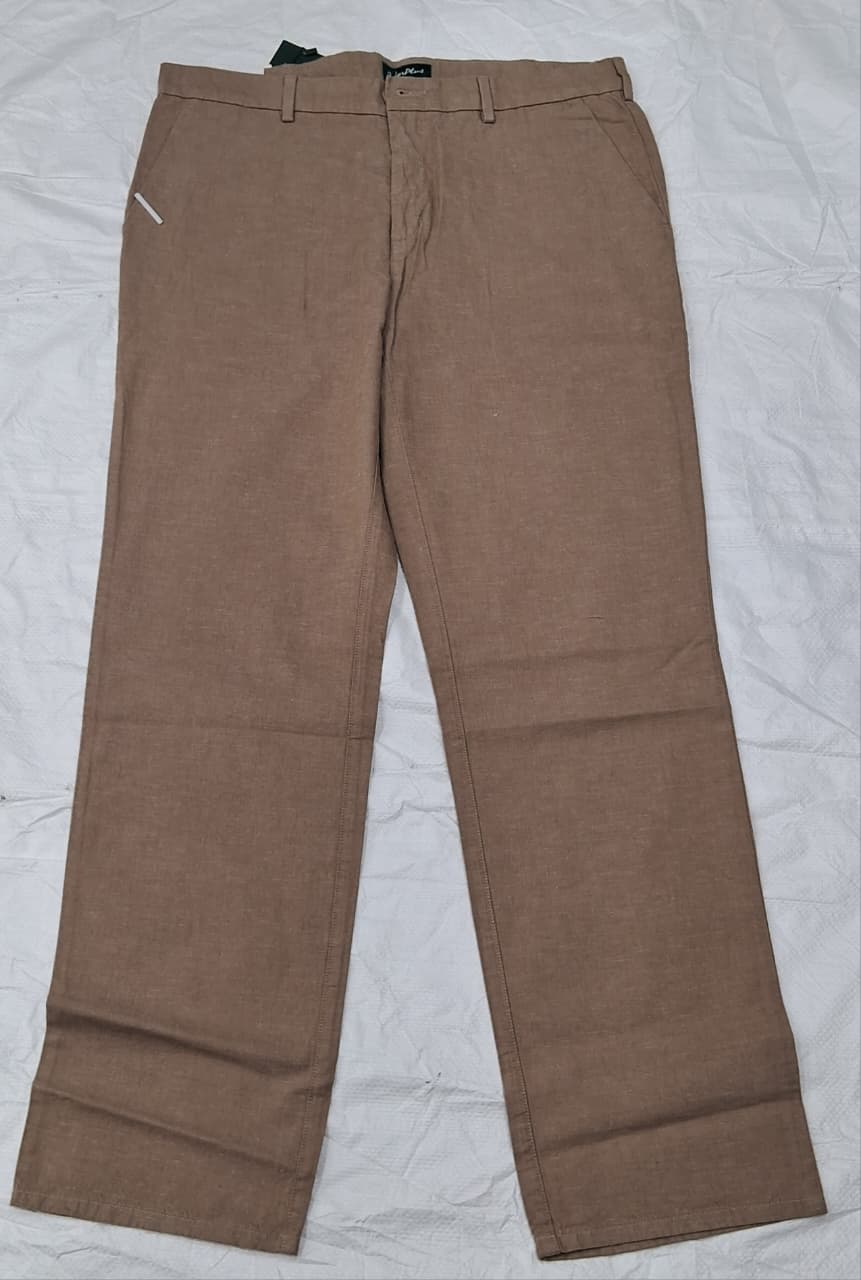
The break is the fold created where the trouser meets the shoe. No break is sharp and contemporary; a slight break is the most versatile; a half break is classic; a full break is traditional and best kept for fuller trousers. Choose according to the leg opening and the formality you want. See the illustrated comparison in our fit guide.
05
Matching trousers with formal shirts
| Trouser | Reliable shirts | For more character |
|---|---|---|
| Navy | White, sky blue | Pale pink, fine stripes |
| Charcoal | White, light blue | Lilac, lavender |
| Grey | White, navy | Pale pink, mid blue |
| Beige | White, light blue | Navy, olive |
| Brown | Cream, pale blue | Sage, rust |
| Black | White | Grey, black (tonal) |
Tuck formal shirts fully, and check that the shirt is long enough to stay tucked when you sit and reach.
06
Coordinating trousers with jackets
When wearing separates, aim for visible contrast between trouser and jacket, either in colour (dark jacket, lighter trouser or the reverse) or in texture (a smooth trouser under a textured jacket). Matching shades that are almost but not quite the same tend to look like a mismatched suit.
Balance the volumes too: a shorter, closer jacket with slim trousers; a softer, longer jacket with straight or relaxed trousers.
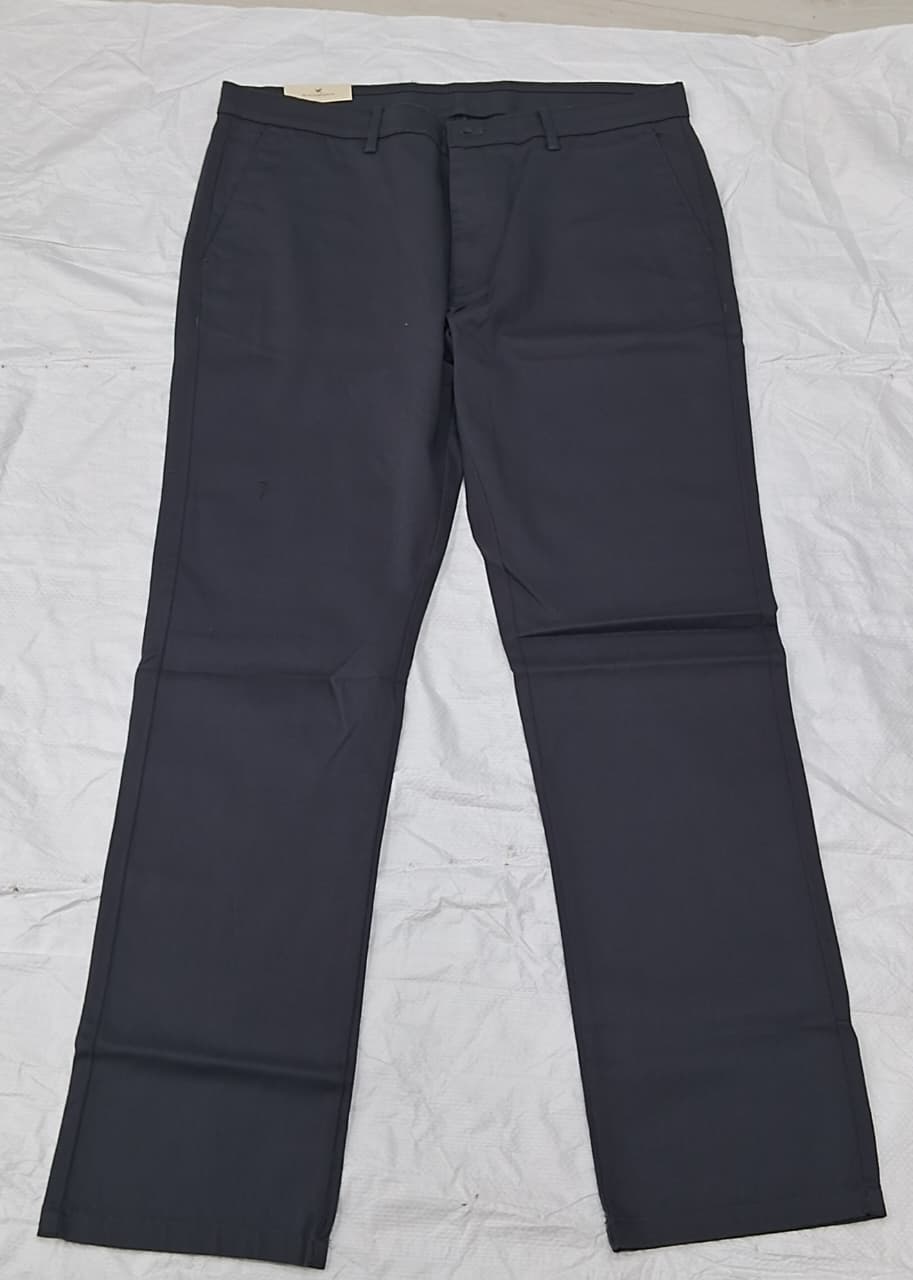
- Charcoal trousers + navy jacket
- Grey trousers + navy or brown jacket
- Beige trousers + navy jacket
- Navy trousers + grey or camel jacket
07
Selecting appropriate footwear
Oxfords
The most formal lace-up. Best with dark, pressed trousers and formal occasions.
Derbies
Slightly more relaxed; suit straight and regular fits and everyday office wear.
Loafers
Versatile and sleek; flatter slim and tapered trousers with little or no break.
Monk straps
A confident middle ground between lace-ups and loafers.
Suede shoes
Soften formal trousers for smart-casual days, especially in brown.
Clean trainers
Minimal leather trainers with slim trousers suit relaxed and creative settings.
08
Choosing colours
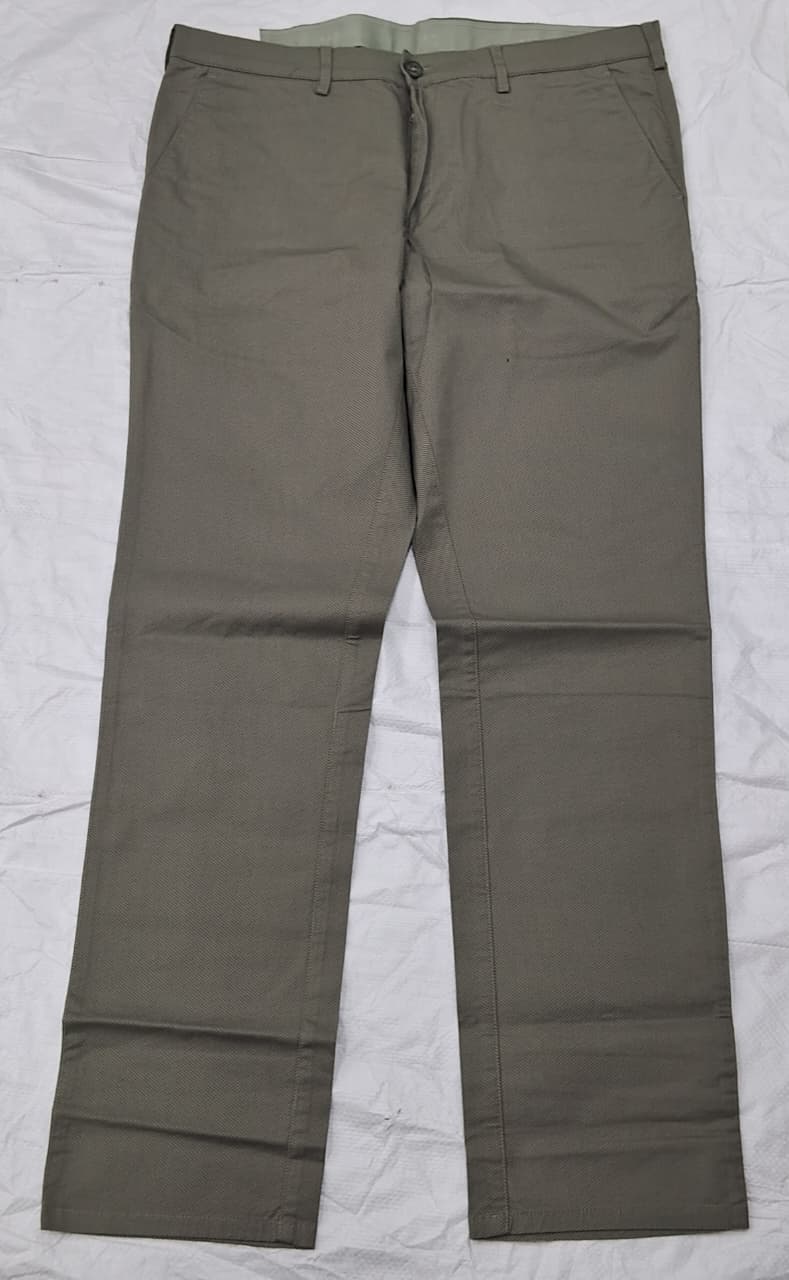
Start with dark neutrals (navy, charcoal, black), add mid tones (grey, taupe), then lighter and warmer shades (beige, brown, olive) as the wardrobe grows. Dark colours are more formal and forgiving; lighter colours are fresher and more relaxed.
Consider your existing shirts and shoes: a new trouser colour should work with at least three shirts you already own. Our Colours & Styling page goes deeper.
09
Understanding fabric weight
Fabric weight is often given in grams per square metre (GSM) or ounces per yard. Lighter cloths feel cooler and drape softly; heavier cloths hang straighter, hold a crease longer and feel warmer. Rather than relying on numbers alone, hold the fabric up: a good trouser cloth should feel substantial enough to fall cleanly yet light enough to breathe. Exact figures differ by mill and weave.
Summer, travel, hot offices
Year-round in Mumbai's climate
Cool climates, winter travel
10
Seasonal dressing
Summer
Light, breathable cloths such as tropical wool, cotton and linen blends. Paler colours reflect heat; a regular or relaxed fit allows airflow.
Monsoon
Darker colours hide splashes; quick-drying blends and a slightly shorter length keep hems out of puddles. Allow trousers to dry fully before storing.
Cooler months
Richer colours and textures (brown, olive, flannel-like surfaces) bring warmth and depth.
11
Maintaining formal trousers
- Rest trousers for a day between wears to let fibres recover.
- Empty pockets and remove belts before hanging.
- Brush wool trousers to lift dust and refresh the surface.
- Steam out creases; press with a cloth to avoid shine.
- Wash or dry clean only when needed, following the care label.
- Have small repairs (loose buttons, hem stitches) done promptly.
12
Storage and care
Hang trousers by the hem from clip hangers, or fold them along the crease over a wide, padded bar. Give them space in the wardrobe so they are not crushed. In humid weather, keep the wardrobe ventilated and avoid storing trousers in plastic, which traps moisture. Store clean garments only, since stains set over time and attract insects.
13
Building a versatile formal wardrobe
A versatile formal wardrobe is built from combinations, not quantity. A simple sequence:
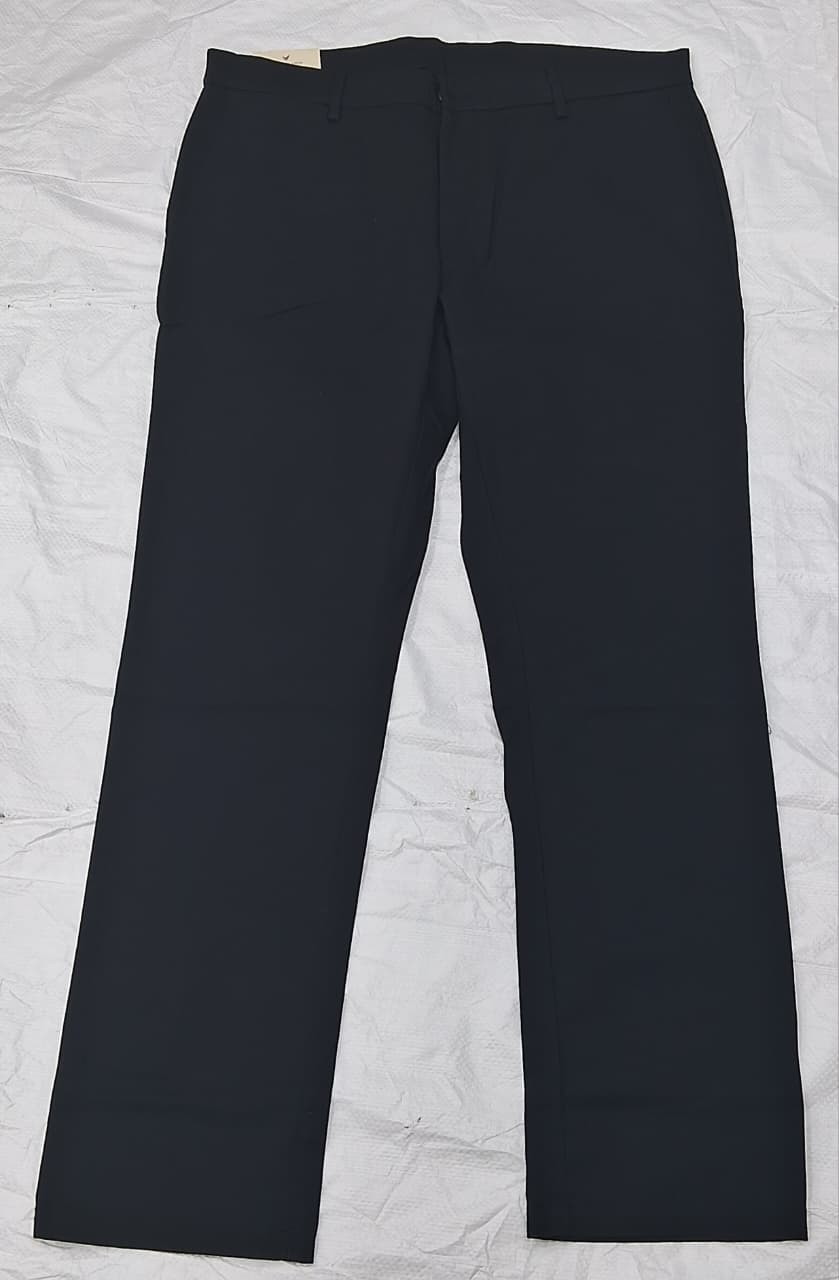
- Navy: the everyday anchor.
- Charcoal: for important days and evenings.
- Mid grey: for contrast with navy jackets.
- Beige or stone: for warm days and smart-casual.
- Brown or olive: for character and texture.
Three looks from one wardrobe
- Monday Navy trousers, white shirt, grey jacket, black Derbies.
- Wednesday Grey trousers, pale pink shirt, navy jacket, burgundy loafers.
- Friday Beige trousers, navy polo, brown suede loafers.